Building a National Wealth Data Infrastructure Through Regional Partnerships
Wealth enables communities to be resilient in the face of adversity, invest in opportunities, and build stability. Sustained wealth becomes generational, making it a clear indicator of the broader socioeconomic conditions of a place and inequities that may exist within it. Researching wealth enables us to go beyond short-term trends to uncover patterns about how economic and social resources are distributed.
However, the connection between wealth and material outcomes like access to jobs, affordable and safe housing, and quality education is often opaque. In part, this is because a lack of consistent, disaggregated local wealth data makes it difficult to describe these concerns within the context of the resources communities have to address them. The Open Wealth Consortium (OWC), a backbone organization that supports an expanding network of regional affiliate partners, works to answer this need by providing rigorous local wealth data and supporting communities in contextualizing these insights.
Origins of the Open Wealth Consortium
At the 2023 Annual Meeting in Oakland, CA, the National Neighborhood Indicators Partnership (NNIP) hosted a panel on how local data can be a tool to support building Black wealth. This was the first platform for Lamar Gardere, Executive Director of The Data Center (New Orleans) to share their work on wealth equity in Southeast Louisiana. He was joined by Carolyn Johnson from the Black Cultural Zone in Oakland. Gardere (who also is Founder and Executive Director of OWC) shared the organization’s wealth framework and early experimentation with methods that could capture local wealth data. They both reflected on the history of wealth stripping that Black Americans have experienced but also each had a more expansive framing of wealth – as the ability to thrive and have agency or to provide for one’s children and community. Gardere also shared how he had found it powerful to use the data to describe important differences in how households of different demographics hold their wealth, pointing to solutions that might help close wealth gaps.
To an audience of community data organization leaders from over thirty cities, these remarks helped everyone connect to an issue that many had previously seen as purely economic and motivated a number of people to want to learn more about The Data Center’s work and how it could be replicated in other cities. Inspired by the session, Victor Amaya, Executive Director of Milwaukee’s Data You Can Use (DYCU) actively pursued a relationship between The Data Center to figure out how to replicate their work.
The Data Center, supported in part by a grant from the Black Wealth Data Center via a collaboration with NNIP, developed methodology for model-based statistical estimates of local wealth that take into account gender, race, age, income, educational attainment, home ownership and value, employment classification, family structure and, to a lesser extent, disability, citizenship, English proficiency, public assistance, social security, and poverty status. In 2024, The Data Center published the first disaggregated estimates of wealth at the local level.
Following this first report, Amaya reiterated that he was ready to bring this work to Milwaukee and the duo explored how to technically and operationally structure their collaboration. Through these conversations, they developed an idea for an infrastructure where New Orleans could move beyond one-on-one consultation and instead serve as backbone support to a distributed network of regional affiliates who would take ownership of their region’s data. Rather than adopt a centralized model where cities just replicate existing methods, regional affiliates are instead co-creators who are responsible for producing, interpreting, and advancing wealth data in their geography. While shared methods ensure the data are rigorous, regional ownership ensures that this information is interpreted through their own social and historic context, making it relevant to others in the community.
The OWC launched in September 2025 with expanded wealth data for 373 metropolitan areas and published methods and open-source code, democratizing both data and production. DYCU then published their analysis of wealth in Milwaukee in October 2025.
Distributed Partnership in Action
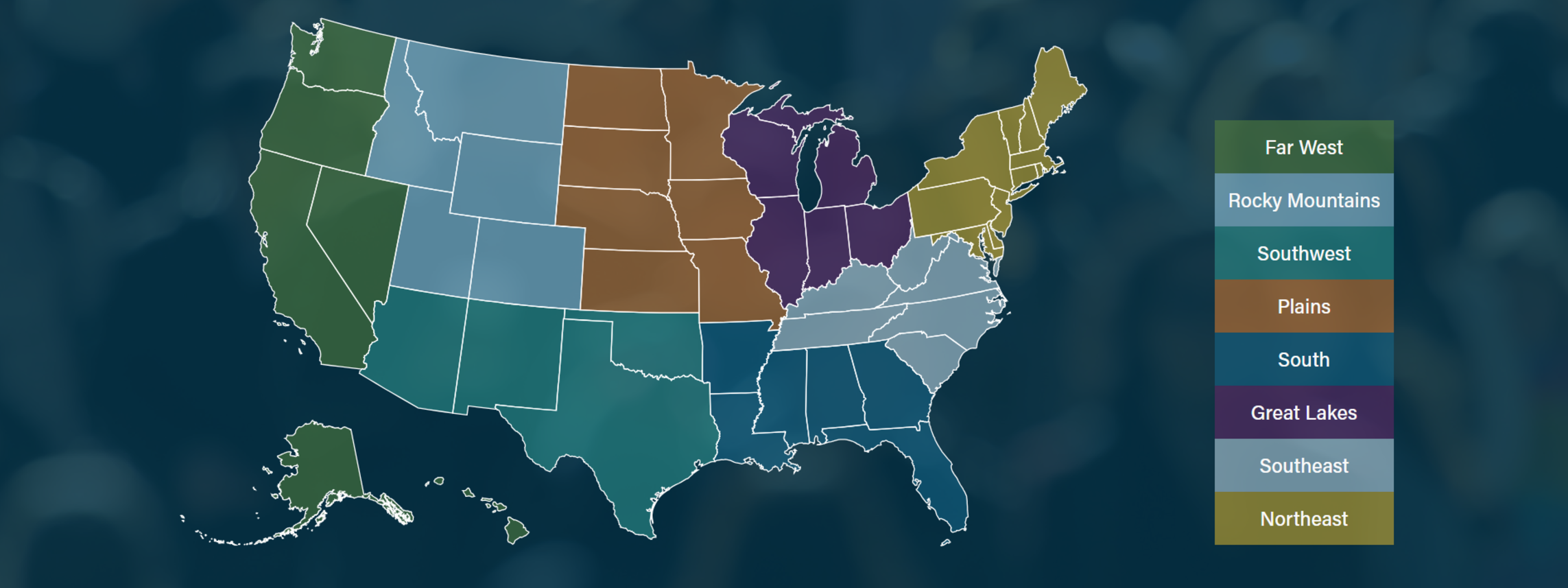
Currently, OWC has three active regional affiliates, all of whom are also NNIP Partners: The Data Center in New Orleans (Southern Regional Affiliate), UNC Charlotte Urban Institute (Southeastern Regional Affiliate), and Data You Can Use in Milwaukee (Great Lakes Regional Affiliate). NNIP provided a ready platform for the development of OWC with its network of vetted, trusted, values-aligned organizations who have foundational elements of the infrastructure needed to produce and understand this data and collaborate with their community members to put data into action.
One of the major benefits of the distributed partnership model is that it creates a container for peer learning, with affiliates bringing unique strengths and insights that help refine methodologies, advance techniques to create, maintain, and evolve disaggregated wealth data, and strengthen engagement strategies. As the founding organization and first testing ground for this methodology, The Data Center provides operational infrastructure and brings methodological leadership, institutional memory, and strategic planning to OWC. In addition to technical strength, DYCU brings deep expertise in community engagement, relationship-building, and cross-sector connections. And UNC Charlotte Urban Institute’s academic home positions them to lead on the technical evolution of OWC’s work - they bring robust technical knowledge that sharpens OWC’s approach and makes methods legible to scrutiny. Through both virtual coordination and a commitment to annual in-person working sessions, OWC’s model supports regional affiliates in building relationships and trust amongst each other.
The regional affiliate model also works to build organizations’ technical capacity and resilience. By recreating the model locally rather than consuming results, the knowledge and processes needed to do this work are seeded broadly, strengthening the field by building a durable knowledge infrastructure that ensures no region’s work is dependent on a single organization. Participation in OWC is a commitment to an iterative process of learning, validating, and building capacity in real time, grounded in trust and relationships.
The Open Wealth Consortium presents a compelling model for how to do nationally salient work without sacrificing local relevance and grounding. OWC is currently exploring what partnership could look like in Kansas City and Detroit, and are working to grow the affiliate and partner network to reach more places. Visit their website to find your community’s data.